Platelet Rich Plasma Therapy in Los Angeles
PRP Treatment to Support Healing, Pain Relief, and Long-Term Recovery
At Performance Care Sports Medicine, we provide PRP in Los Angeles for people dealing with joint pain, tendon irritation, ligament injuries, soft tissue problems, and pain that has not improved with basic care. If you have been searching for PRP treatments near me, our team is here to help you understand your options and build a recovery plan focused on better movement, less pain, and long-term function.
- Joint and Soft Tissue Support
- Non-Surgical Treatment Option
- Recovery-Focused Care



Clear Diagnosis. Coordinated Care. Real Recovery.
Is Joint Pain or a Lingering Injury Keeping You From Moving Forward?
Pain can be frustrating when it lingers longer than expected. You may rest, stretch, modify your workouts, take medication, or try basic treatment, only to feel the same discomfort return when you get back to normal life. For many people, the bigger concern is not just the pain itself. It is the fear that the injured area is not healing the way it should.
When pain continues for weeks or months, your body may begin to compensate. You may change how you walk, lift, train, sit, stand, or move. Over time, those compensations can create new stress on other areas and make recovery feel more complicated.
Many people come to us because they want to know if there is a non-surgical option that may help support the body’s healing process. That is where Platelet Rich Plasma therapy may be part of the conversation.
You may be dealing with problems like:
-
Knee pain that makes walking, stairs, squatting, standing, or exercise difficult.
-
Shoulder pain that limits reaching, lifting, pressing, sleeping, or daily movement.
-
Hip pain that affects walking, sitting, standing, or lower-body activity.
-
Tendon pain that keeps returning after rest, stretching, massage, or medication.
-
Ligament irritation or soft tissue injuries that feel slow to heal.
-
Sports injuries that keep you from training, competing, performing, or staying active.
-
Arthritis-related joint discomfort that creates stiffness, aching, inflammation, and reduced mobility.
-
Pain that improves temporarily but comes back when you return to activity.
-
Weakness or instability that causes you to protect the painful area.
-
Reduced range of motion that makes the joint feel stiff, guarded, or unreliable.
-
Frustration from relying on medication without feeling like the underlying issue is improving.
-
Concern about surgery because you have been told your joint, tendon, or soft tissue issue may require more aggressive treatment.
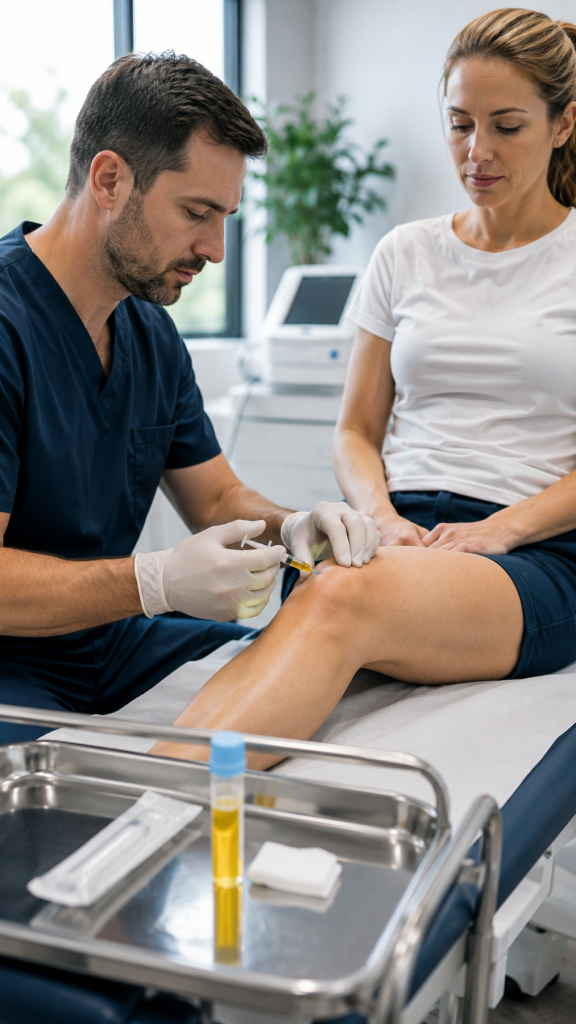
PRP Therapy Helps Support the Body’s Natural Healing Response
We Use Platelet Rich Plasma as Part of a Coordinated Recovery Plan
PRP Therapy Helps Support the Body’s Natural Healing Response
We Use Platelet Rich Plasma as Part of a Coordinated Recovery Plan
PRP Therapy Helps Support the Body’s Natural Healing Response
We Use Platelet Rich Plasma as Part of a Coordinated Recovery Plan
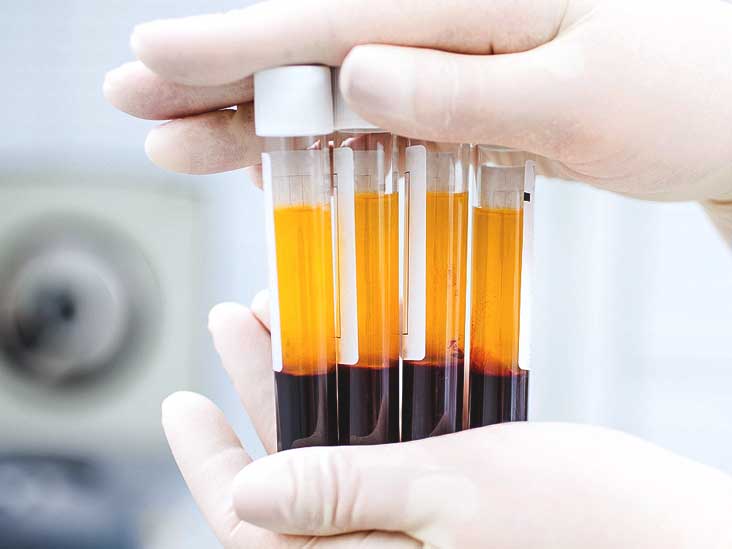
Platelet Rich Plasma therapy, often called PRP, is a regenerative treatment that uses a concentrated portion of your own blood to support the body’s natural healing process. Platelets contain growth factors and signaling proteins that play an important role in tissue repair. The goal of PRP is to deliver a concentrated amount of those healing components to an area that needs support.
At Performance Care Sports Medicine, PRP may be considered for certain joint, tendon, ligament, and soft tissue conditions. The goal is to help support tissue healing, reduce irritation, improve function, and give the body a better environment for recovery.
Benefits of PRP Therapy at Performance Care Sports Medicine
Regenerative Support for Joint Pain, Tendon Injuries, and Soft Tissue Recovery
Benefits of PRP Therapy at Performance Care Sports Medicine
Regenerative Support for Joint Pain, Tendon Injuries, and Soft Tissue Recovery
Benefits of PRP Therapy at Performance Care Sports Medicine
Regenerative Support for Joint Pain, Tendon Injuries, and Soft Tissue Recovery
When people search for PRP treatments near me, they are usually looking for an option that supports healing without jumping straight to surgery. PRP may be a helpful option for certain patients dealing with chronic pain, lingering injuries, or tissue irritation that has not responded well to basic care.
Uses Your Body’s Own Healing Components
PRP is created from a sample of your own blood. The platelet-rich portion is concentrated and then used to support the body’s natural repair response in the targeted area.
May Help With Certain Joint and Soft Tissue Conditions
PRP may be considered for certain cases involving joint pain, tendon irritation, ligament injuries, muscle injuries, sports injuries, and soft tissue damage. The right recommendation depends on your evaluation, diagnosis, and recovery goals.
Non-Surgical Treatment Option
Many patients want to explore conservative or minimally invasive options before considering surgery. PRP is a non-surgical treatment that may support healing in certain tissues without requiring an incision or major downtime.
Supports Recovery Instead of Masking Symptoms Alone
Some treatments focus mostly on short-term pain relief. PRP is different because the goal is to support the body’s repair process. While pain relief may occur as healing improves, the main focus is helping the injured tissue recover more effectively.
Can Be Combined With Rehab-Based Care
PRP may help support the tissue-healing side of recovery, but movement quality still matters. Physical therapy, strengthening, mobility work, chiropractic care, and soft tissue treatment may all play a role in helping the treated area function better over time.
Personalized to Your Condition and Goals
PRP is not right for every patient or every type of pain. We evaluate your symptoms, injury history, activity level, and goals before recommending treatment so your plan is based on what your body actually needs.
How Our PRP Therapy Process Works
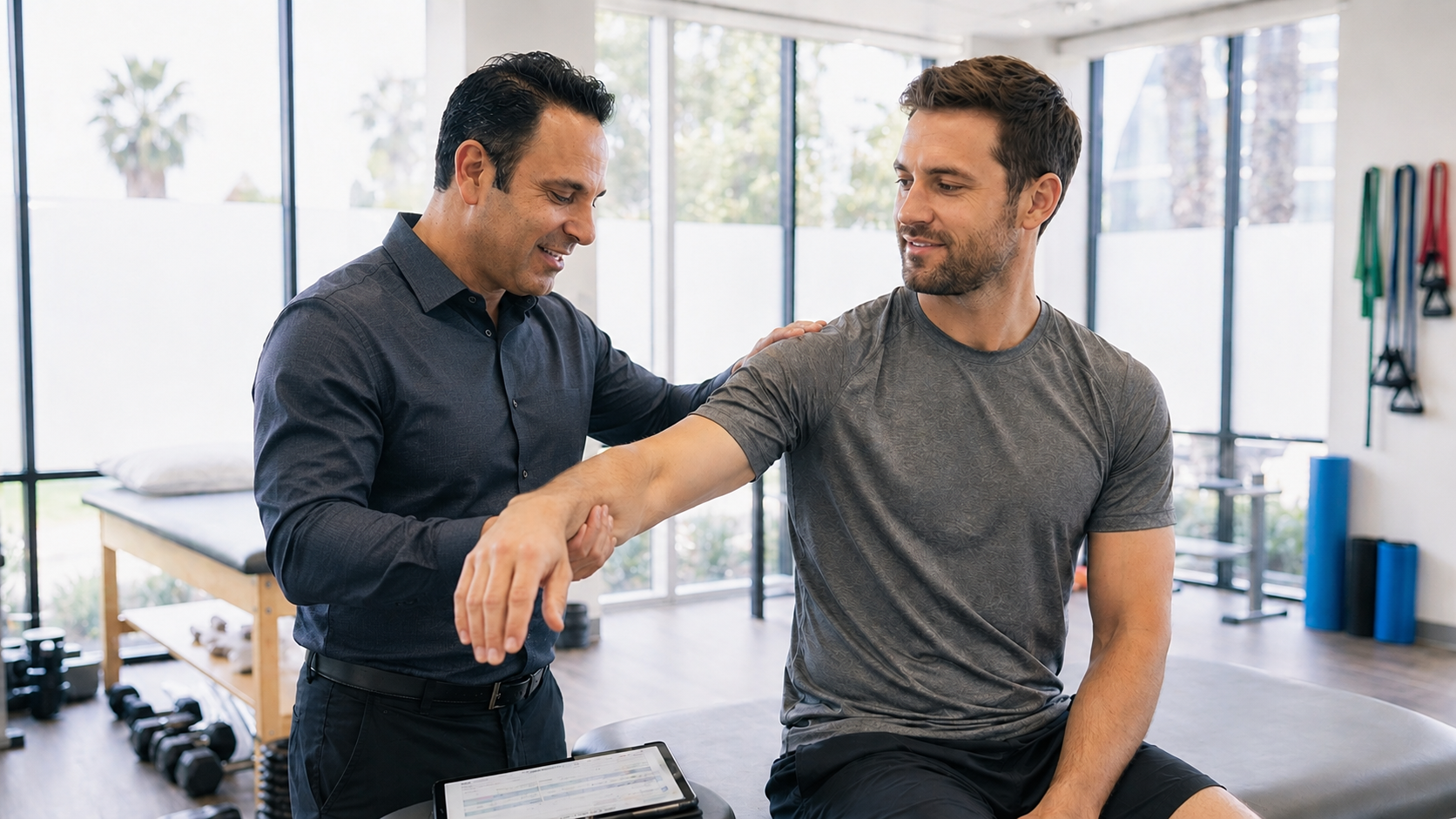
Step 1: Comprehensive Evaluation
We begin with a detailed evaluation to understand your pain, injury history, diagnosis, movement limitations, activity level, and goals. We also discuss what treatments you have already tried and whether PRP may be appropriate for your condition.
Step 2: Platelet Rich Plasma Preparation and Treatment
If PRP is recommended, a small blood sample is drawn and processed to separate and concentrate the platelet-rich portion. The PRP is then placed into the targeted area by a qualified medical provider to support the body’s natural healing response.
Step 3: Recovery Support and Functional Rehab
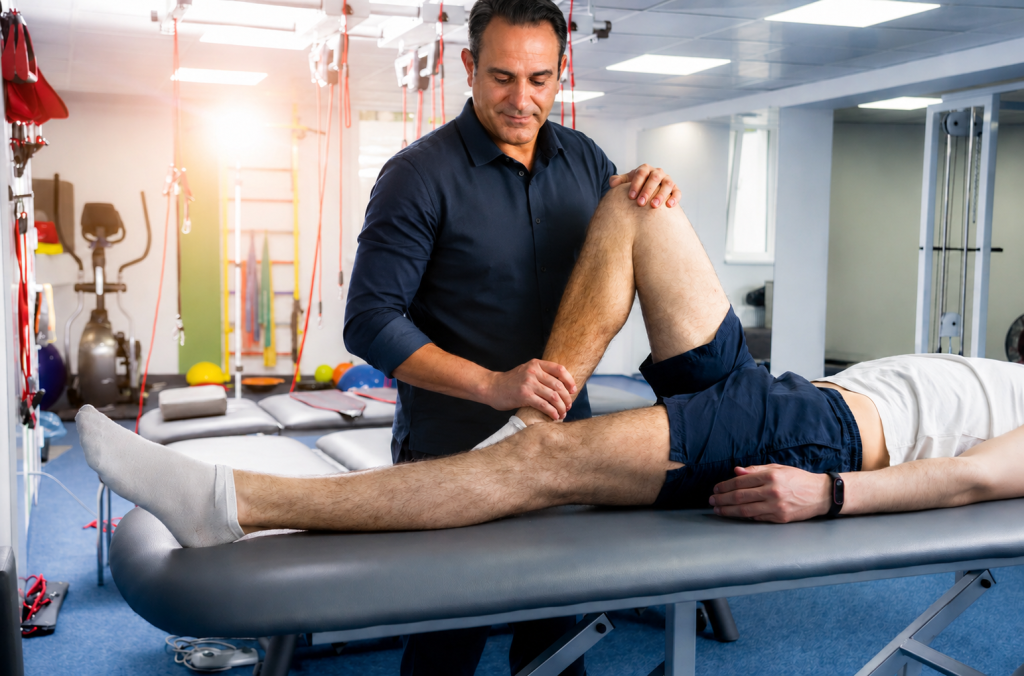
After PRP treatment, your recovery plan matters. Depending on your condition, we may recommend activity modification, physical therapy, mobility work, strengthening, chiropractic care, or other supportive treatments to help improve function and protect the progress you are working toward.
Everything We Do Is Built for Real Recovery
Regenerative Treatment Using Your Own Blood
PRP uses a concentrated portion of your own blood that contains platelets and growth factors. This makes it a regenerative option designed to support the body’s natural tissue repair process.
Helpful for Certain Joint, Tendon, and Soft Tissue Issues
PRP may be considered for patients dealing with knee pain, shoulder pain, hip pain, tendon irritation, ligament injuries, sports injuries, and soft tissue problems that have not improved with basic care.
Non-Surgical Recovery Support
PRP is a non-surgical treatment option for patients who want to explore less invasive care before considering surgery. It may be part of a conservative plan for pain relief, tissue healing, and improved function.
Integrated With Physical Therapy and Rehab
Because Performance Care Sports Medicine offers chiropractic care, rehab-based treatment, medical support, and advanced modalities under one roof, PRP can be part of a coordinated plan instead of an isolated procedure. The clinic’s homepage emphasizes this connected approach with clear diagnosis, coordinated care, and measurable recovery.
Focused on Long-Term Function
Our goal is not just to treat a painful area. We want to help you move better, rebuild confidence, and return to normal life with stronger function and fewer limitations.
Clear Guidance Before and After Treatment
We explain what PRP is, when it may help, what to expect, and how to support your recovery afterward. You should never feel like you are guessing your way through treatment.
Frequently Asked Questions About PRP in Los Angeles
What is PRP therapy?
PRP stands for Platelet Rich Plasma. It is a regenerative treatment that uses a concentrated portion of your own blood containing platelets and growth factors to support the body’s natural healing response.
How does PRP therapy work?
A small sample of your blood is drawn and processed to concentrate the platelet-rich portion. That platelet-rich plasma is then placed into the targeted area to help support tissue repair, reduce irritation, and promote healing activity.
What conditions can PRP help with?
PRP may be considered for certain joint, tendon, ligament, and soft tissue conditions. This can include knee pain, shoulder pain, hip pain, tendon irritation, sports injuries, ligament issues, and lingering soft tissue injuries.
Do you provide PRP in Los Angeles?
Yes. Performance Care Sports Medicine provides PRP in Los Angeles for patients looking for non-surgical support for joint pain, soft tissue injuries, tendon problems, and recovery-focused pain management.
Is PRP a surgery?
No. PRP is not surgery. It is a non-surgical treatment that uses your body’s own blood components to support healing in a targeted area.
Is PRP the same as a cortisone injection?
No. Cortisone injections are generally used to reduce inflammation and pain. PRP is different because it is designed to support the body’s natural healing response using concentrated platelets from your own blood.
How long does PRP take to work?
PRP is not always an instant pain-relief treatment. Because the goal is to support healing, improvement may develop gradually over several weeks or months depending on the condition, severity, and how your body responds.
Will I need physical therapy after PRP?
Many patients benefit from a structured rehab plan after PRP. Physical therapy, mobility work, strengthening, and movement retraining may help protect the treated area and improve long-term function.
Is PRP right for athletes?
PRP may be an option for athletes dealing with certain tendon, ligament, joint, or soft tissue injuries. It may help support tissue recovery while a rehab plan addresses strength, mobility, mechanics, and return-to-sport goals.
Is PRP therapy right for me?
PRP may be a good option if you have joint pain, tendon irritation, ligament injury, or soft tissue pain that has not improved with basic care. The best way to know is to schedule an evaluation so we can determine whether PRP fits your condition and recovery goals.