Trigger Point Injections in Los Angeles
Targeted Relief for Painful Muscle Knots, Spasms, and Myofascial Pain
At Performance Care Sports Medicine, we provide trigger point injections in Los Angeles for people dealing with painful muscle knots, chronic tension, spasms, referred pain, and myofascial pain that has not improved with basic care.
- Painful Muscle Knot Relief
- Myofascial Pain Support
- Coordinated Recovery Planning



Clear Diagnosis. Coordinated Care. Real Recovery.
Are Painful Muscle Knots or Spasms Keeping You From Moving Comfortably?
Muscle pain can be frustrating because it does not always stay in one place. A tight spot in your neck may send pain into your head or shoulder. A knot in your back may make it hard to turn, sleep, sit, lift, or work. A trigger point may feel like a small area of pain, but it can affect your whole body’s movement and comfort.
Trigger points are often described as “knots” in the muscles. Performance Care’s current trigger point injection page explains that trigger points are focal, hyper-irritable spots located in a taut band of skeletal muscle. These spots can be painful when compressed and may produce referred pain, tenderness, muscle weakness, and other symptoms.
When trigger points stay irritated, your body may begin to compensate. You may move differently, avoid certain activities, tighten surrounding muscles, or develop new pain patterns. Over time, this can create a cycle of pain, guarding, stiffness, weakness, and reduced mobility.
That is why targeted treatment can be so helpful.
You may be dealing with problems like:
- Painful muscle knots that feel tender, hard, tight, or irritated when pressed.
- Muscle spasms that make your neck, back, shoulders, hips, or legs feel locked up.
- Myofascial pain that keeps returning even after stretching, massage, rest, or medication.
- Referred pain that travels from one muscle area into another part of the body.
- Neck pain or upper-back tension that may contribute to headaches, shoulder discomfort, or limited range of motion.
- Lower back tightness that makes sitting, standing, bending, lifting, or driving uncomfortable.
- Pain after an auto accident where muscles remain guarded, tense, or irritated after trauma.
- Chronic muscle tension from posture, stress, repetitive movement, desk work, training, or old injuries.
- Weakness or restricted movement because a painful muscle does not relax or function normally.
- Temporary relief from massage or stretching followed by the same pain returning.
- Pain that affects sleep, work, exercise, or daily comfort because your muscles feel constantly irritated.
- Frustration from not knowing whether the pain is muscle-related, joint-related, nerve-related, or something else.

Trigger Point Injections Help Calm Painful Muscle Irritation
We Address Muscle Pain on Two Fronts: Pain Relief and Functional Recovery
Trigger Point Injections Help Calm Painful Muscle Irritation
We Address Muscle Pain on Two Fronts: Pain Relief and Functional Recovery
Trigger Point Injections Help Calm Painful Muscle Irritation
We Address Muscle Pain on Two Fronts: Pain Relief and Functional Recovery
Trigger point injections are designed to treat specific painful areas within the muscle. These areas may be tender, tight, irritated, or stuck in a cycle of spasm and inflammation. The goal of treatment is to help calm the trigger point, reduce pain, and make it easier for the muscle to relax and function.
At Performance Care Sports Medicine, we do not view trigger point injections as a stand-alone magic fix. We use them as part of a coordinated recovery plan. The injection may help reduce the chemical irritation and pain response, while rehab-based care, chiropractic care, massage therapy, myofascial release, stretching, and physical therapy help address the structural and movement problems that often develop around chronic pain.
Performance Care’s current trigger point injection page explains that trigger point injections involve administering medication into the specific area of the trigger point in the muscle. Depending on the nature of the trigger point, providers may use non-steroidal anti-inflammatory medications, cortisone, or muscle relaxants. The page also notes that trigger point injections may be helpful for calming trauma and spasm after an auto accident.
This matters because chronic muscle pain is often more complex than one tight spot. Trigger points may develop from repetitive trauma, injury, lack of exercise, poor posture, vitamin deficiencies, joint problems, occupational stress, or recreational activities that repeatedly stress the same muscle group.
Our approach starts with understanding what is causing your pain. Is the muscle guarding because of a joint problem? Is an old injury creating compensation? Is repetitive movement overloading the same area? Is inflammation keeping the muscle irritated? Once we understand the bigger picture, we can recommend a treatment plan that makes sense for your body.
If you are looking for trigger point injections in Los Angeles, our team is here to help you get clear answers, targeted care, and a recovery plan focused on long-term function.

Benefits of Trigger Point Injections at Performance Care Sports Medicine
Targeted Pain Relief That Supports a Bigger Recovery Plan
Benefits of Trigger Point Injections at Performance Care Sports Medicine
Targeted Pain Relief That Supports a Bigger Recovery Plan
Benefits of Trigger Point Injections at Performance Care Sports Medicine
Targeted Pain Relief That Supports a Bigger Recovery Plan
When people search for trigger point injections in Los Angeles, they are usually looking for relief from pain that has not improved with stretching, massage, rest, or standard care. Trigger point injections may help reduce localized muscle pain and make it easier to participate in the therapies needed for lasting recovery.
Targets Painful Muscle Knots Directly
Trigger point injections are designed to address specific painful spots in the muscle. Instead of treating the entire area generally, the provider focuses on the irritated trigger point that may be contributing to pain, tenderness, spasm, and referred symptoms.
May Help Reduce Muscle Spasms
When muscles remain stuck in a guarded or spasming state, movement can feel painful and restricted. Trigger point injections may help calm the irritated muscle tissue so the area can relax and respond better to additional care.
Supports Relief From Myofascial Pain
When muscles are tight, movement can feel restricted. Massage therapy may help improve flexibility and mobility by reducing soft tissue tension and helping the body move more freely.
Can Help Patients Tolerate Rehab More Comfortably
Performance Care’s current page explains that once pain is decreased and patients can better tolerate therapy, a rehab program can begin to help restore function and teach patients how to handle minor flare-ups in the future.
Works With Chiropractic Care, Massage, and Physical Therapy
After trigger point injections, Performance Care encourages modalities such as myofascial release, deep tissue massage, physical therapy, and stretching for optimal results and pain relief. Their page also emphasizes the importance of conservative treatments such as physical rehab, chiropractic care, A.R.T., and massage in the healing process.
Part of a Multi-Specialty Pain Relief Approach
At Performance Care Sports Medicine, trigger point injections are not treated as an isolated procedure. They can be part of a larger plan that addresses inflammation, muscle spasm, imbalance, mobility, strength, and long-term function.
How Our Trigger Point Injection Process Works

Step 1: Comprehensive Evaluation
We begin by listening to your symptoms, pain history, activity level, injury history, and goals. We evaluate where the pain is located, whether it refers into other areas, how your muscles respond to pressure, and whether trigger points may be contributing to your discomfort.

Step 2: Targeted Injection Treatment
If trigger point injections are appropriate, the provider targets the specific irritated area within the muscle. The goal is to calm the trigger point, reduce pain, and help the muscle begin to relax. Depending on your condition, the injection may involve medication selected based on the nature of the trigger point and your care plan.
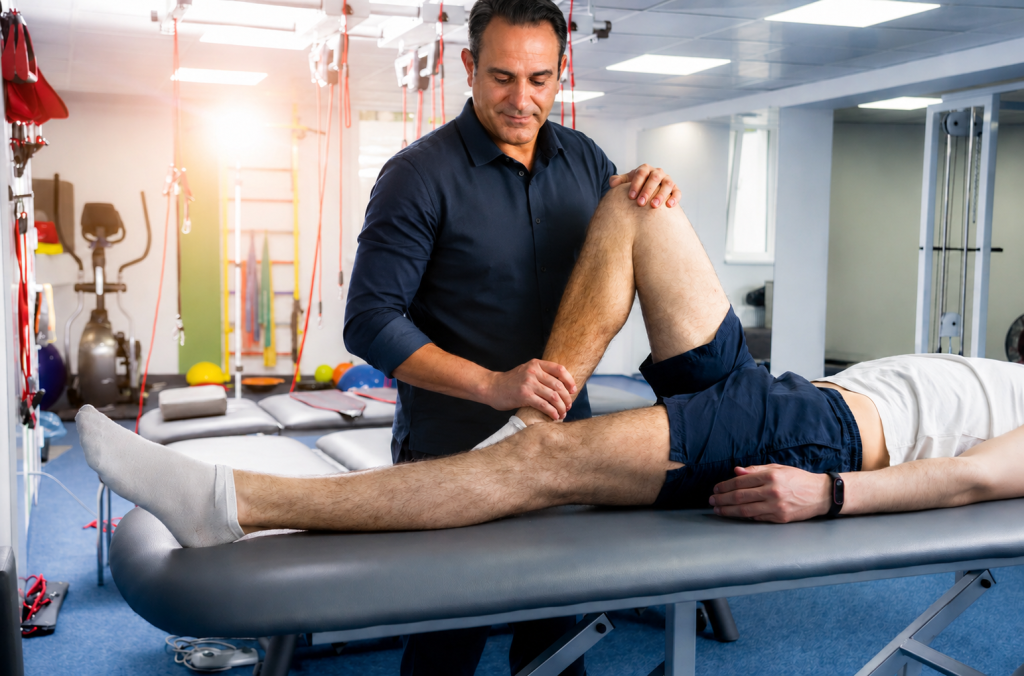
Step 3: Follow-Up Care to Restore Function
After the injection, we focus on helping your body move and function better. This may include physical therapy, chiropractic care, massage therapy, myofascial release, stretching, mobility work, or strengthening exercises. Our goal is not only to reduce pain, but also to address the movement issues that may have allowed the trigger point to develop or return.
Everything We Do Is Built for Real Recovery
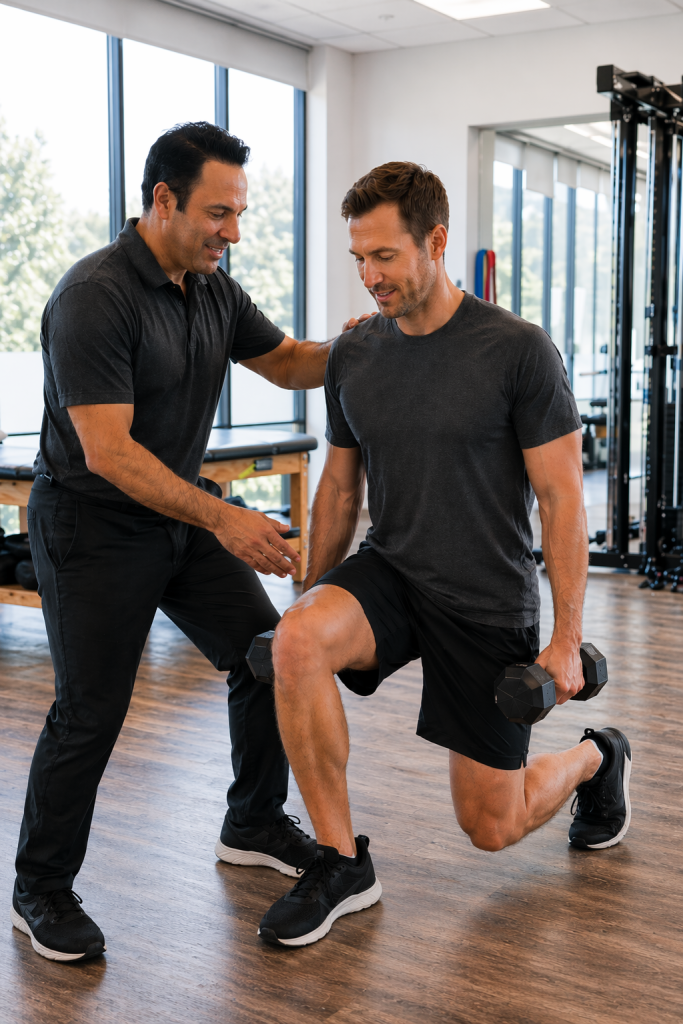
Trigger Point-Focused Evaluation
We look for more than general muscle tightness. We evaluate whether specific hyper-irritable muscle spots may be producing local pain, referred pain, tenderness, weakness, or movement restriction.
Medical Support From a Multi-Specialty Team
Performance Care’s trigger point injection page explains that pain injection procedures are performed by Board Certified Physical Medicine & Rehabilitation Physicians. This supports a more complete approach for patients who may need advanced pain relief options alongside conservative care.
Helpful for Chronic Muscle Pain
Trigger point injections may be appropriate for patients dealing with chronic muscle knots, recurring spasms, myofascial pain, neck pain, back pain, or pain that has not improved enough with conservative treatment alone.
Useful After Auto Accident Injuries
Auto accidents can create muscle trauma, guarding, and spasms. Performance Care’s current trigger point injection page notes that this treatment can be effective in calming trauma and spasm after an auto accident.
Integrated With Conservative Care
Performance Care emphasizes that injections may create a window for effective conservative care treatments. Their page explains that conservative options like physical rehab, physical therapy, chiropractic care, myofascial release, A.R.T., and massage can be important parts of the healing process.
Focused on Pain Relief and Function
We want to help you feel better, but we also want to help you move better. That means addressing both the chemical irritation that contributes to pain and the structural issues, muscle imbalances, and movement patterns that can keep pain coming back.
Frequently Asked Questions About Trigger Point Injections in Los Angeles
What are trigger point injections?
Trigger point injections are targeted injections used to treat painful trigger points, often described as muscle knots. The injection is placed into the irritated area of the muscle to help reduce pain, calm spasm, and improve comfort.
What is a trigger point?
A trigger point is a tight, sensitive, hyper-irritable spot located in a taut band of skeletal muscle. Performance Care’s current page explains that trigger points can be painful when compressed and may produce referred pain, tenderness, muscle weakness, and other symptoms.
What causes trigger points?
Trigger points may develop from repetitive trauma, injury, poor posture, lack of exercise, joint problems, vitamin deficiencies, or repetitive stress from work, sports, or daily activity.
What symptoms can trigger points cause?
Trigger points may cause local muscle pain, tenderness, referred pain, muscle weakness, spasms, stiffness, and limited movement. Many patients describe trigger points as painful knots in the muscles.
Do you provide trigger point injections in Los Angeles?
Yes. Performance Care Sports Medicine provides trigger point injections in Los Angeles for patients dealing with painful muscle knots, spasms, myofascial pain, chronic muscle tension, and related pain patterns.
What medication is used in trigger point injections?
The medication used can vary depending on the nature of the trigger point and the patient’s needs. Performance Care’s current page explains that providers may use non-steroidal anti-inflammatory medications, cortisone, or muscle relaxants depending on the trigger point.
Are trigger point injections used after auto accidents?
They may be. Auto accidents can create muscle trauma, spasms, and guarding. Performance Care’s page notes that trigger point injections can be effective in calming trauma and spasm after an auto accident.
Are trigger point injections enough by themselves?
Trigger point injections may help reduce pain and calm the irritated muscle, but long-term recovery often requires follow-up care. Performance Care encourages myofascial release, deep tissue massage, physical therapy, stretching, chiropractic care, and rehab after injections to support better outcomes.
How quickly do trigger point injections work?
Some patients may feel relief quickly, while others may notice improvement over time as inflammation and muscle irritation calm down. Your response depends on your condition, the severity of the trigger point, and whether the underlying movement or postural issues are also addressed.
Is this treatment right for me?
Trigger point injections may be a good option if you have painful muscle knots, recurring spasms, myofascial pain, or muscle tension that has not improved enough with conservative care. The best way to know is to schedule an evaluation so we can determine whether trigger point injections fit your recovery plan.