Regenerative Medicine in Los Angeles
Non-Surgical Support for Joint Pain, Soft Tissue Injuries, and Long-Term Recovery
At Performance Care Sports Medicine, we provide regenerative medicine in Los Angeles for people dealing with joint pain, tendon injuries, ligament problems, arthritis-related discomfort, and pain that has not improved with basic care. Our goal is to help support your body’s natural healing response while building a clear recovery plan around pain relief, mobility, and better function.
- Joint Pain Relief Support
- Non-Surgical Treatment Options
- Recovery-Focused Care



Clear Diagnosis. Coordinated Care. Real Recovery.
Is Joint Pain or a Lingering Injury Keeping You From Living Fully?
Joint pain can change how you move, work, train, sleep, and enjoy your normal routine. At first, the pain may feel manageable. Then it starts affecting stairs, workouts, walking, lifting, driving, or even simple movements you used to do without thinking.
When pain continues for weeks, months, or years, it can affect more than the injured area. You may begin changing the way you walk, stand, lift, train, or move. Over time, those compensations can create stress in other parts of the body and make recovery feel even more complicated.
Many people who come to us are not looking for a quick fix. They want to understand what is actually causing their pain and whether there are conservative or non-surgical options that may help them move better and feel more confident again.
That is where regenerative medicine may be part of the conversation.
You may be dealing with problems like:
- Knee pain that makes walking, stairs, squatting, standing, or exercise difficult.
- Shoulder pain that limits reaching, lifting, pressing, sleeping, or daily movement.
- Hip pain that affects walking, sitting, standing, or lower-body exercise.
- Arthritis-related discomfort that creates stiffness, aching, inflammation, and reduced mobility.
- Chronic tendon pain that keeps returning after rest, stretching, massage, or medication.
- Ligament or soft tissue injuries that have not healed as well as expected.
- Sports injuries that limit your ability to train, compete, perform, or stay active.
- Pain that improves temporarily but comes back when you return to normal activity.
- Reduced range of motion that makes the joint feel stiff, guarded, or unreliable.
- Weakness or instability that causes you to protect the painful area.
- Frustration from relying on medication without feeling like the underlying issue is improving.
- Concern about surgery because you have been told your joint is wearing down or your options are limited.

Regenerative Medicine That Supports the Body’s Natural Healing Process
We Combine Advanced Treatment Options With Rehab-Based Care for Better Long-Term Function
Regenerative Medicine That Supports the Body’s Natural Healing Process
We Combine Advanced Treatment Options With Rehab-Based Care for Better Long-Term Function
Regenerative Medicine That Supports the Body’s Natural Healing Process
We Combine Advanced Treatment Options With Rehab-Based Care for Better Long-Term Function
Regenerative medicine focuses on supporting the body’s natural repair processes. At Performance Care Sports Medicine, regenerative medicine may be considered for certain joint, tendon, ligament, and soft tissue conditions where the goal is to support healing, reduce pain, improve mobility, and help patients return to the activities they care about.
The current Performance Care regenerative medicine page explains that cellular therapies may involve a mixture of cells including growth factors, cytokines, and mesenchymal cells injected into a damaged joint or area of tissue damage to offer regenerative support. Their page also states that these therapies are administered in conjunction with physical therapy to help support joint and tissue recovery.
Our approach is not simply about offering an injection and hoping for the best. Pain and joint problems often involve multiple factors. A painful knee may involve arthritis, weakness, poor mechanics, inflammation, and reduced mobility. A shoulder issue may involve tendon irritation, joint restriction, posture, muscle imbalance, and overuse. A sports injury may involve soft tissue damage and movement patterns that continue to stress the injured area.
That is why we look at the whole picture.

Benefits of Regenerative Medicine at Performance Care Sports Medicine
Non-Surgical Support for Joint Pain, Tissue Repair, and Better Movement
Benefits of Regenerative Medicine at Performance Care Sports Medicine
Non-Surgical Support for Joint Pain, Tissue Repair, and Better Movement
Benefits of Regenerative Medicine at Performance Care Sports Medicine
Non-Surgical Support for Joint Pain, Tissue Repair, and Better Movement
Supports Joint and Soft Tissue Healing
Regenerative medicine is designed to support the body’s natural repair response. Performance Care’s current page describes cellular therapies as offering regenerative support to damaged tissue, especially when used with physical therapy for weakened or damaged joints.
May Help With Certain Joint and Tendon Conditions
Regenerative medicine may be considered for certain patients dealing with joint pain, chronic tendonitis, osteoarthritis-related discomfort, sports injuries, knee pain, shoulder pain, ligament issues, or soft tissue damage. The right recommendation depends on your evaluation, diagnosis, and goals.
A Non-Surgical Treatment Option
Many patients want to explore conservative or minimally invasive options before considering surgery. Performance Care’s current regenerative medicine page positions cellular therapies as a non-surgical option for patients seeking joint pain support and tissue repair.
Can Be Combined With Physical Therapy
Regenerative medicine works best when the injured area is supported with the right recovery plan. Performance Care’s page specifically describes cellular therapies being used in conjunction with advanced physical therapy to support joint rejuvenation and tissue recovery.
Helps Patients Stay Focused on Function
Pain relief matters, but function matters too. Our goal is to help you move better, walk with more confidence, climb stairs more comfortably, exercise safely, and return to the activities that make life feel normal again.
Personalized to Your Condition
Regenerative medicine is not right for every patient or every injury. We evaluate your condition carefully and help you understand whether this type of treatment makes sense for your body, your goals, and your stage of recovery.
How Our Regenerative Medicine Process Works
Step 1: Comprehensive Evaluation
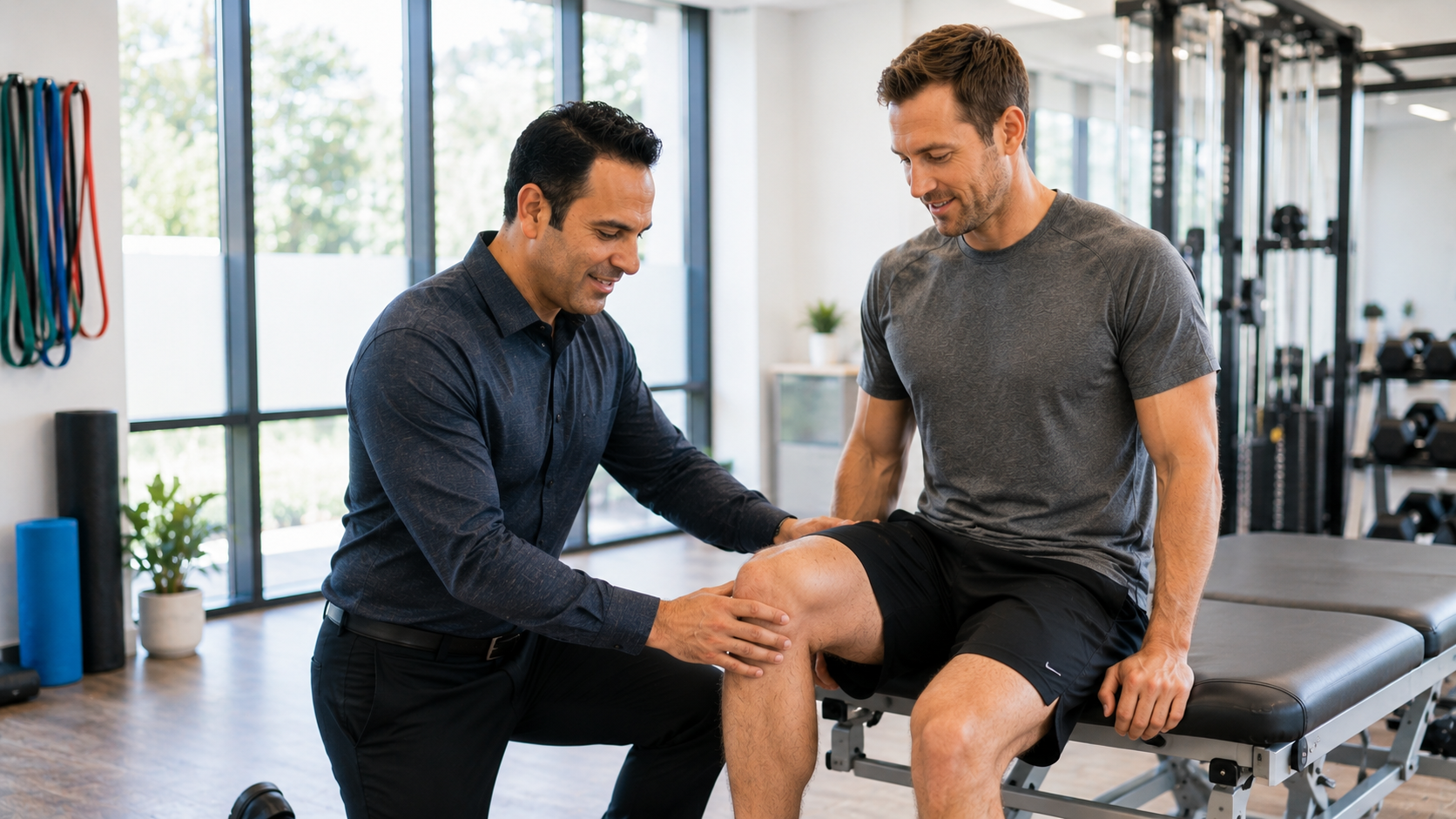
We begin with a detailed evaluation to understand your pain, injury history, diagnosis, activity level, mobility, strength, and goals. We want to know what movements hurt, what treatments you have already tried, and how your condition is affecting your daily life.

Step 2: Personalized Treatment Recommendation
If regenerative medicine may be appropriate, we explain your options clearly and help you understand how the treatment may fit into your overall recovery plan. The procedure itself is performed by a licensed medical professional, and Performance Care’s current page notes that patients remain awake during the cellular injection procedure.
Step 3: Recovery Support and Rehab Planning
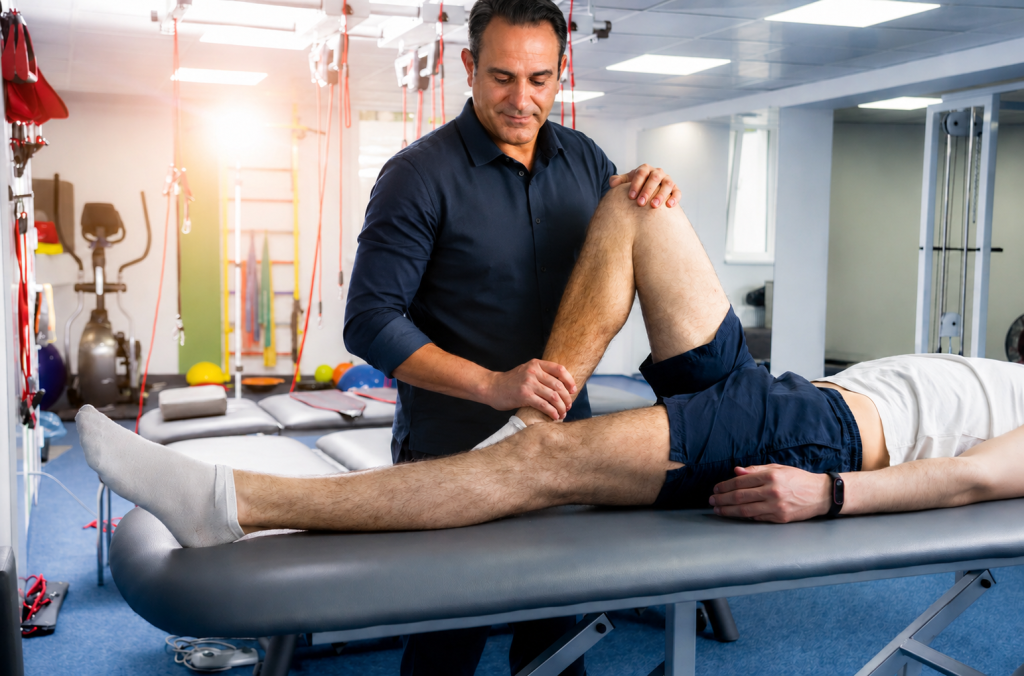
After treatment, the recovery plan matters. Depending on your condition, we may recommend physical therapy, mobility work, strengthening, chiropractic care, massage therapy, or other supportive therapies. Our goal is to help the treated area recover while improving the strength and function needed for longer-term progress.
Everything We Do Is Built for Real Recovery
Non-Surgical Joint Pain Support
Regenerative medicine may be an option for patients looking to support joint health and soft tissue recovery without jumping straight to surgery. We help patients understand whether this approach is appropriate for their condition.
Integrated With Physical Therapy
Performance Care’s regenerative medicine page emphasizes cellular therapies in conjunction with advanced physical therapy. This matters because healing support and functional rehab often work best together.
Support for Sports Injuries and Chronic Pain
Regenerative medicine may be considered for certain sports injuries, tendon problems, ligament issues, knee pain, shoulder pain, and arthritis-related discomfort. We evaluate each case individually so treatment is based on the patient, not a generic protocol.
Focused on Avoiding Unnecessary Runaround
Our clinic’s broader approach is built around clear diagnosis, coordinated care, and measurable progress. The homepage emphasizes chiropractic care, rehab, medical support, and advanced modalities under one roof so patients do not have to bounce from office to office.
Personalized Recovery Guidance
After regenerative treatment, patients may need to temporarily modify activity, avoid certain impact movements, or follow specific post-care instructions. Performance Care’s current page notes that patients may be asked to reduce or eliminate weight-bearing or jarring-impact activities temporarily after treatment.
Conservative Care With a Bigger Goal
The goal is not just to treat a painful joint. The goal is to help you move better, reduce limitations, improve confidence, and support a more active life through a complete recovery plan.
Frequently Asked Questions About Regenerative Medicine in Los Angeles
What is regenerative medicine?
Regenerative medicine focuses on supporting the body’s natural healing and repair processes. At Performance Care Sports Medicine, regenerative medicine may be used for certain joint, tendon, ligament, and soft tissue conditions as part of a broader recovery plan.
What conditions may regenerative medicine help with?
Regenerative medicine may be considered for certain patients with joint pain, knee pain, shoulder pain, sports injuries, chronic tendonitis, osteoarthritis-related discomfort, ligament problems, or soft tissue damage. The right treatment depends on your evaluation and diagnosis.
Do you provide regenerative medicine in Los Angeles?
Yes. Performance Care Sports Medicine provides regenerative medicine in Los Angeles for patients looking for non-surgical options to support joint pain relief, tissue healing, mobility, and long-term recovery.
How does cellular therapy support joint or tissue repair?
Performance Care’s current regenerative medicine page explains that cellular therapy may involve injecting a mixture of cells, including growth factors, cytokines, and mesenchymal cells, into a damaged joint or area of tissue damage to offer regenerative support.
Is regenerative medicine a surgery?
No. Regenerative medicine treatments are non-surgical. Performance Care’s current page describes cellular therapy as an injection procedure performed by a licensed medical professional while the patient remains awake.
Is the procedure painful?
Performance Care’s current page states that most patients feel only a bit of pressure during the procedure and that the medical provider may numb the surface of the skin and inject a numbing agent when needed for comfort.
How long does the procedure take?
According to Performance Care’s current regenerative medicine page, the medical procedure, including preparation, injection, clean-up, and bandaging, takes about 20 to 40 minutes depending on the size and location of the joint being treated.
How long is the recovery after regenerative medicine treatment?
Recovery depends on the area treated and your specific condition. Performance Care’s current page notes that patients who are able to walk into the office can typically walk out and drive themselves home, though tenderness may occur for one to two days afterward.
How soon will I feel improvement?
Every patient responds differently. Performance Care’s current page notes that some patients may experience substantial pain relief in two to six weeks, while others may take several months to experience the full benefit.
Is regenerative medicine right for me?
Regenerative medicine may be a good option if you have joint pain, tendon pain, ligament injury, arthritis-related discomfort, or a soft tissue problem that has not improved with basic care. The best way to know is to schedule an evaluation so we can understand your condition and recommend the right plan.